Warning: include(/home/u949244722/domains/saudi-icomos.org/public_html/wp-content/plugins/wp-event-solution/vendor/composer/../../core/Emails/InlineImageHandler.php): Failed to open stream: No such file or directory in /home/u949244722/domains/saudi-icomos.org/public_html/wp-content/plugins/sitepress-multilingual-cms/vendor/composer/ClassLoader.php on line 571
Warning: include(): Failed opening '/home/u949244722/domains/saudi-icomos.org/public_html/wp-content/plugins/wp-event-solution/vendor/composer/../../core/Emails/InlineImageHandler.php' for inclusion (include_path='.:/opt/alt/php82/usr/share/pear:/opt/alt/php82/usr/share/php:/usr/share/pear:/usr/share/php') in /home/u949244722/domains/saudi-icomos.org/public_html/wp-content/plugins/sitepress-multilingual-cms/vendor/composer/ClassLoader.php on line 571 Oruk Bani Ma’arooq – الآيكوموس السعودية
عروق بني معارض
(المملكة العربية)
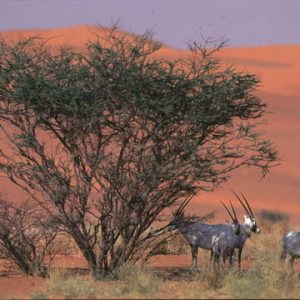
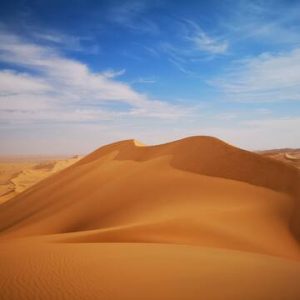
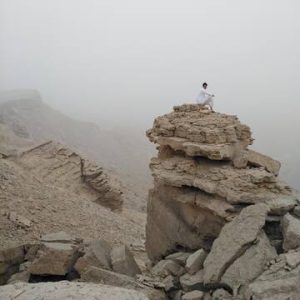
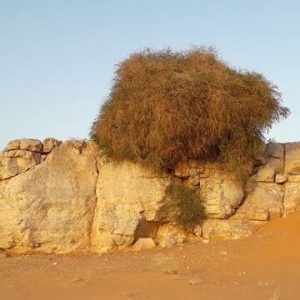
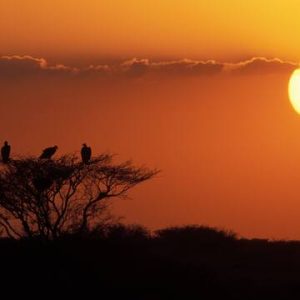
This element encompasses the western part of the largest sandy area on Earth. The Empty Quarter Desert. It preserves one of the most spectacular desert landscapes in the world. The site’s diverse topography creates a wide range of habitats. What sets it apart globally is the return of iconic desert animals to their natural habitats. Among these animals are the Arabian Oryx (Oryx leucoryx) and the Reem Gazelle (Gazella marica). Shifting dunes are an excellent, well-oxygenated habitat for invertebrates and reptiles that hide in the sand.